sheet metal fabrication in melbourne

How to Choose the Right Sheet Metal Folding Service in Melbourne for Your Project

Choosing the right sheet metal folding service in Melbourne determines your project’s outcome. Sheet metal folding transforms flat sheets into desired angles and dimensions. The process is used in building, sign-making, transportation and industrial production.

An efficient folding service provides accurate bends, good finishes and timely deliveries. Wrong selection will result in inefficiencies, wastage and extra costs. There are many metal fabricating companies in Melbourne. However, their equipment, experience and level of accuracy can vary. Some workshops still use manual folding. While some still rely on hand folding, others have invested in CNC hydraulic press brakes.

Knowing what you should be looking out for will help save you time and money. Here is everything you need to know when comparing metal folding service providers in Melbourne.


What is Sheet Metal Folding?

Metal sheet folding refers to bending a flat sheet along a straight line to form a three-dimensional shape. The process uses a machine called a press brake. A top tool pushes the sheet into a bottom die. This creates the required angle.

Sheet metal folding is widely used for brackets, panels, enclosures and structural parts. It suits many manufacturing and fabrication applications.


Why the Right Folding Partner Matters

Each fold affects how the finished product fits and performs. Even a small angle error can affect the final assembly. Poor folding can also damage the material. It may cause cracks or weaken the area around the bend.

An experienced provider of metal folding services in Melbourne can help reduce these problems. The right workshop can also help you avoid unnecessary material waste, delays and additional production costs.


Key Factors to Consider

Equipment and Technology

Start by asking about the equipment used in the workshop. CNC hydraulic press brakes can provide more consistent results than manual folding. They are also useful when you need to produce the same part many times. Look for CNC metal folding in Melbourne services that use multi-axis press brakes. This can help maintain accuracy across larger production runs.

Tolerance and Accuracy

Tolerance refers to the acceptable difference from the required measurement. This becomes important when folded parts need to fit with other components. Tight tolerances can be essential for precision work. Before placing an order, ask about the workshop’s usual tolerance range. Also check whether that tolerance applies to your material and sheet thickness.

Material Range

Make sure the supplier works with the material you need.  Common options include aluminium, stainless steel and mild steel. Each material behaves differently during folding. Sheet thickness and grain direction can also affect the process. A workshop with experience across different materials can suggest the right method for your design.

Custom Capability

Not every project involves a standard production run. Standard folding can work well for repeat orders and larger quantities. Custom sheet metal folding in Melbourne services are useful for one-off parts and more detailed designs.

These may include architectural components, specialised enclosures and other parts made to specific drawings. Ask whether the workshop can handle both custom work and regular production. Having both options with one supplier can make future orders easier to manage.

Turnaround and Capacity

Your project size can affect production time. Larger orders need a workshop with enough equipment and capacity to meet the required deadline. Ask about normal lead times before placing your order.

It is also worth asking how busy the workshop becomes during peak periods.  In-house CAD/CAM design can also help move a project from drawing to production more efficiently.

Certifications and Quality Systems

Quality systems are another point to check. ISO 9001 certification shows that a workshop has a formal quality management system. It can be particularly important for projects in construction, transport and defence.

These industries may have specific quality and compliance requirements. Ask the supplier about its certifications before starting the project.


Melbourne’s Growing Demand for Metal Fabrication

According to research, the Australian sheet metal fabrication industry is estimated to be worth approximately $2.5 billion in 2025. The industry encompasses about 850 businesses in Australia.  The demand comes from various industries, including construction, transportation, and renewable energy.

It is also an important manufacturing centre in Melbourne. This means local projects can create strong demand for fabrication and folding suppliers. 

As project size increases, you need to choose a workshop with the required capacity.


Questions Worth Asking Before You Hire

Before choosing a folding service, ask:

  • What is your standard folding tolerance?
  • Which metals and sheet thicknesses can you handle?
  • Can you take on custom jobs as well as repeat production?
  • What is your usual turnaround time?

Clear answers can tell you a lot about how a workshop operates. A good supplier should be able to explain its capabilities without making vague promises.


Metaltex: A Trusted Choice for Sheet Metal Folding in Melbourne

Metaltex has provided sheet metal folding services in Melbourne since 1979.

The machine can fold sheets up to 4.5 metres long, with tolerances below 0.2mm. The company’s CNC hydraulic press brake can work with aluminium, stainless steel, and mild steel. Metaltex is an ISO 9001-accredited company based in Dandenong South.

Whether you need custom sheet metal folding in Melbourne for a one-off design or repetitive folding for a production run, Metaltex has the equipment and experience to handle the work. Contact Metaltex today for precision sheet metal folding, done right the first time.


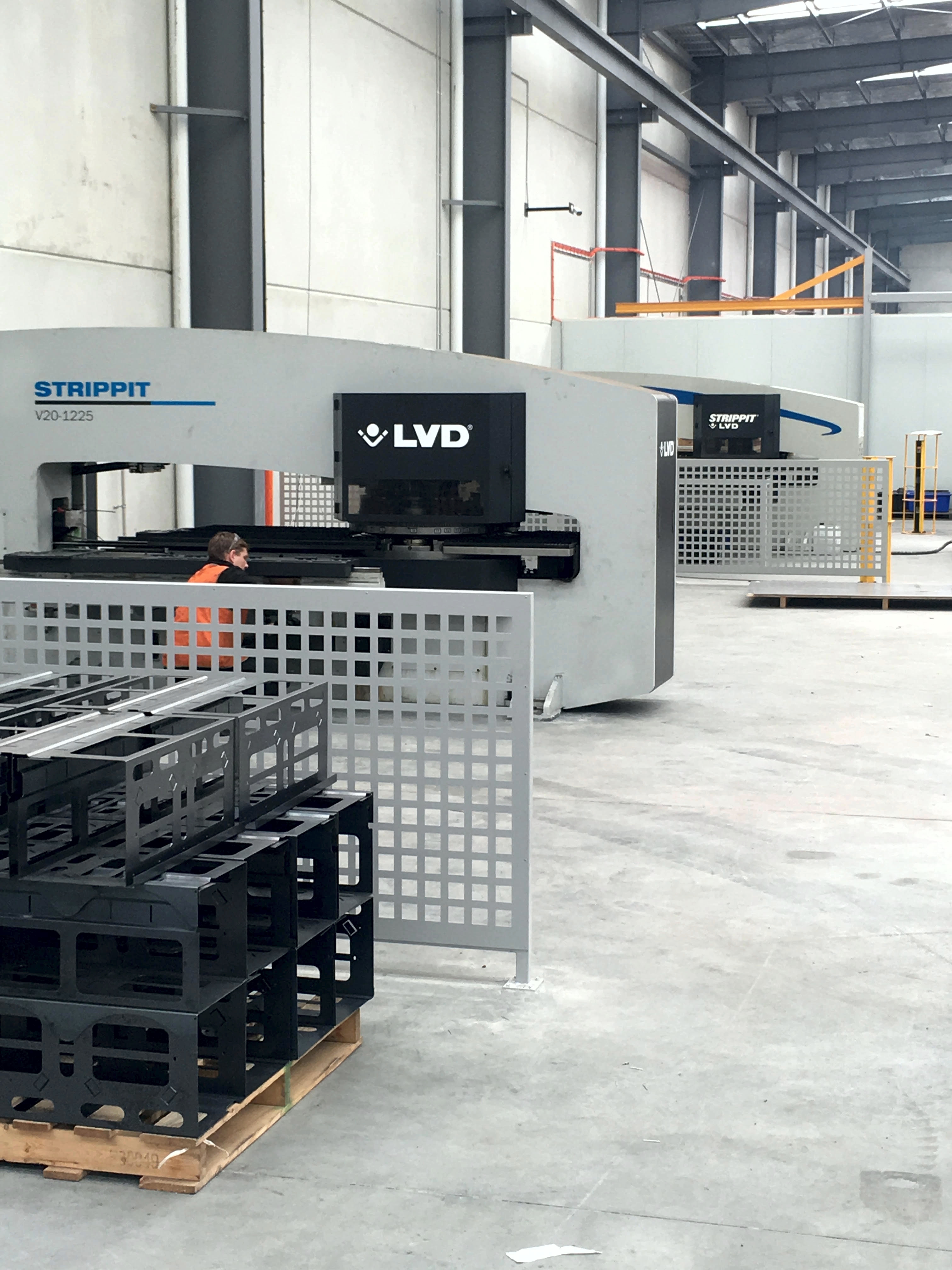
Metaltex Australia Facilities


FAQs

1.How accurate is CNC metal folding Melbourne?

CNC metal folding in Melbourne can achieve tolerances as tight as 0.2mm. The actual result depends on the machine, material and sheet thickness.

2. Can I get custom shapes made through sheet metal folding?

Yes. Custom sheet metal folding in Melbourne can be used for one-off brackets, enclosures, architectural parts and other components made to your drawings.

3. What materials can be folded?

Aluminium, stainless steel and mild steel are commonly used with metal folding services in Melbourne.

4. Does Metaltex handle large-scale folding projects?

Yes. Metaltex can fold sheets up to 4.5 metres long. The company handles both custom and repetitive folding for projects of different sizes.

Metaltex adopts Industry 4.0

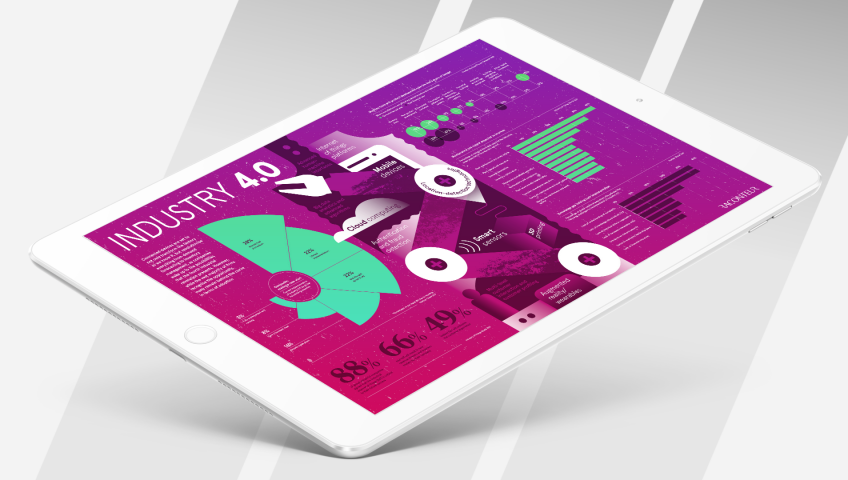
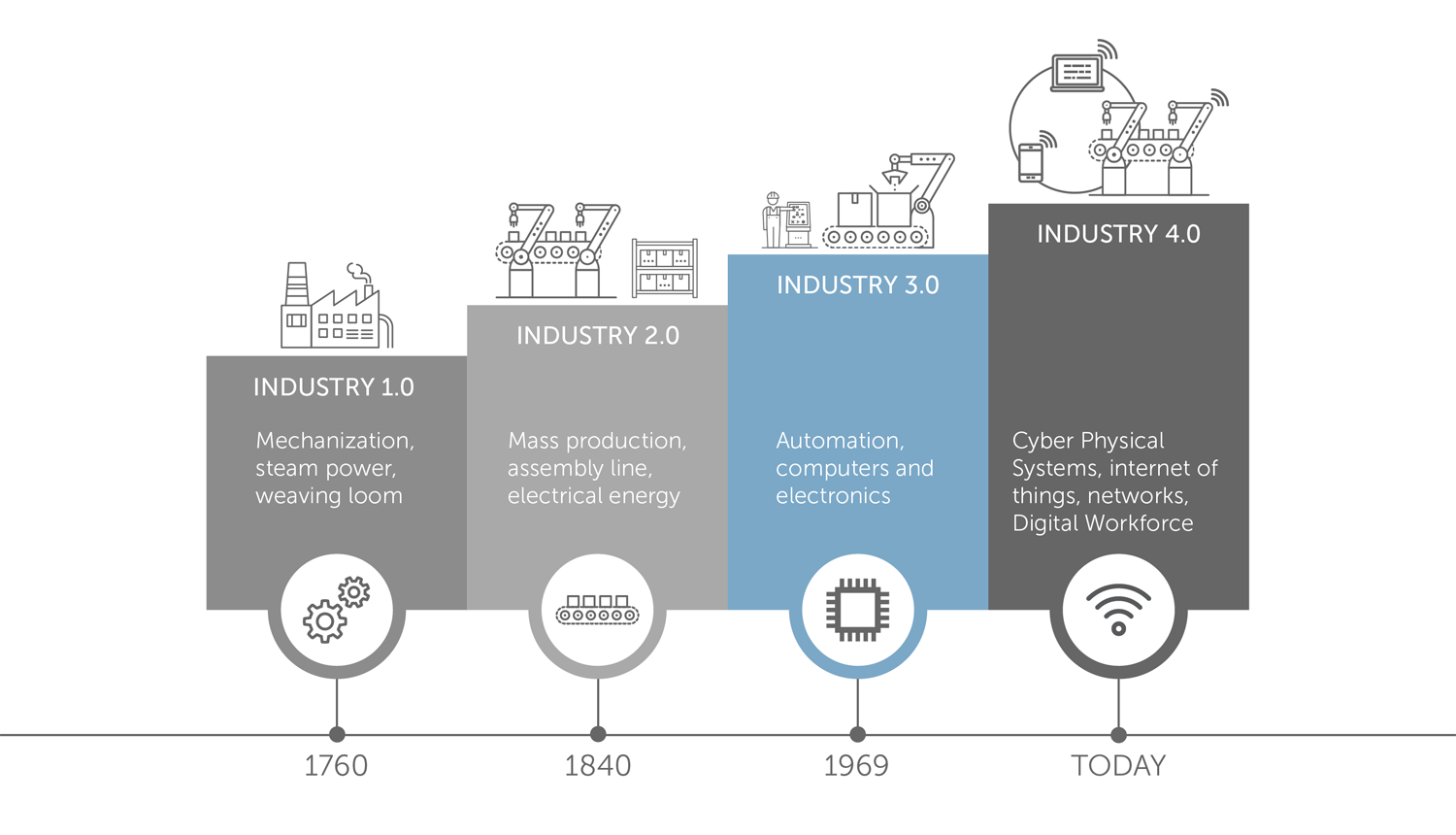
Metaltex Australia Pty Ltd has worked meticulously in the past 5 years to achieve technological advancement stage jump from industry 3.0 to latest gen 4.0. We relay you this excellent article on what Industry 4.0 is and how it will shape the future of manufacturing.
The Industrial Revolution 4.0 and Its Possibilities Revealed


The adoption of digital technology has reached a point where we are ready for another radical change, the digital transformation of the industry or what we call Industry 4.0.

Industry 4.0, also known as the intelligent industry, is considered to be the fourth industrial revolution, a term coined by Professor Schwab and seeks to transform a company into an intelligent organization to achieve the best business results.

To some, it will seem too soon to talk about the next industrial revolution, i.e., the fourth industrial revolution, but the adoption of digital technology has reached a point where we are ready for another radical change, the digital transformation of the industry or what we call industry 4.0.

The change is based on the adoption of new technologies for the progressive automation of the production process. It is about innovative technologies whose application to the industry will be developed day by day.

We speak of additive manufacturing, collaborative robotics, production planning tools, artificial vision, virtual reality, gamification, process simulation, operational intelligence, IoT, and the so-called KET (Key Enabling Technologies).

All this implies the need to have systems that operate and manage broadband information and infrastructures for information technologies as well as buildings and traffic systems. This concept of industry 4.0 represents a significant leap for most organizations.

Smart Factories


In Industry 4.0, automation and intercommunication are the basis for the optimization of design and production processes, which allows manufacturing of highly customized, flexible and efficient products. It affects the entire lifecycle of a product, ensuring its vertical and horizontal integration.

Starting with research, design, prototyping, production, distribution and client management as well as linked services, it interconnects all the agents involved that can react in a more agile way in the process. This leads to an increase in productivity and competitiveness as well as a significant reduction in costs.

In a Smart Factory, production control is absolute. The digital integration of information provides real-time access to the data, which will be chosen for each line, interest or user profile so that they are relevant to the business.

Both operators who have screens with information that promote efficiency in their position, as well as the data obtained in real time by executives of the company or department managers, provide the greater diagnostic capacity of the global situation of a factory and integration of effective decisions in the productive system.

The generation of a regular flow of information brings an effective value to the entire system, resulting in the more efficient management of resources, improvement of all processes and an interesting increase in profitability.

The Fourth Industrial Revolution: the fusion of process digitalization

What do we know about Industry 4.0 or the fourth industrial revolution and why and what do we have to prepare for?

The fourth industrial revolution is a new era that gives a quantitative and qualitative leap in the organization and management of value chains. This new stage of the industry is committed to greater automation, connectivity and globalization.

Today, we see that the interrelation between different areas such as Products, Processes and Business Models has penetrated the industrial world, bringing with it the IoT and the world of Big Data and Analytics.

These are the technological advances that allow us to optimize manufacturing processes, their supervision and integration with other processes and systems used in a plant.

We live in an industrial revolution that consists of the fusion of the physical and digital planes, favoring the presentation of information in a comprehensible format for all users, promoting enhanced collaboration and data sharing, based on the automation of maintenance processes and artificial intelligence.

When we talk about an industrial revolution, we talk about technologies and tools such as, for example, virtual reality and augmented reality, IoT (Internet of Things), artificial intelligence and artificial vision, virtual assistants, Big Data, cloud computing, modern design programs and process simulation, 3D printing, security, Nano and biotechnology or quantum computing, among others.

Industry 4.0 is characterized by the quickest way to provide visible results and the degree to which it affects users. It is about the internet as a basis for interconnection and the implications this has in terms of the ease of access to information, digital identity, privacy, security, etc. are massive.

It is expected that Industry 4.0 will impact in some way the society, economy, and politics. It provides us with almost instantaneous information, which makes us more informed and more demanding.

Decisions are also expected to be made more quickly and efficiently when the fourth industrial revolution comes into the picture.

Our environment is already quite intelligent and poses many opportunities and challenges. An example is the creation of new smart products that present added values ​​with respect to competition and have a positive impact on a person’s personal well-being.

The issue of cybersecurity is another example, and it will be one of the key issues for the interconnected industrial world. Of course, the industrial revolution also modifies the profile of human resources that will be needed in the new factories: skills and knowledge different from what is currently being asked for will be required, and it is expected that the work dynamics will be modified along with the schedules.

The question is not to be left behind and prepare for the fourth industrial revolution. The governments of many countries have already launched programs that aim to inform about different initiatives and support all types of training in terms of adapting companies to this new reality that requires more leadership and organizational changes to carry out business transformation.

Finally, manufacturers have been operating in a knowledge gap for too long, but now, the large volume of real-time data coming from the IoT, combined with operational intelligence technologies allows knowledge to be acquired and decisions to be made instantly.

Machine learning will be derived in predictive and self-adjusting processes. Using these tools will make the industry avoid mistakes or anticipate them, making it cheaper and shortening the productive process.

Final words


However, the big challenge for companies is not the technology itself. The biggest difficulty is knowing how to manage the effects of the industrial revolution 4.0 properly, and how to make the most of the new opportunities that this concept offers us.

Source Article

Author: Kashyap Vyas | Interesting Engineering | April 29th, 2019

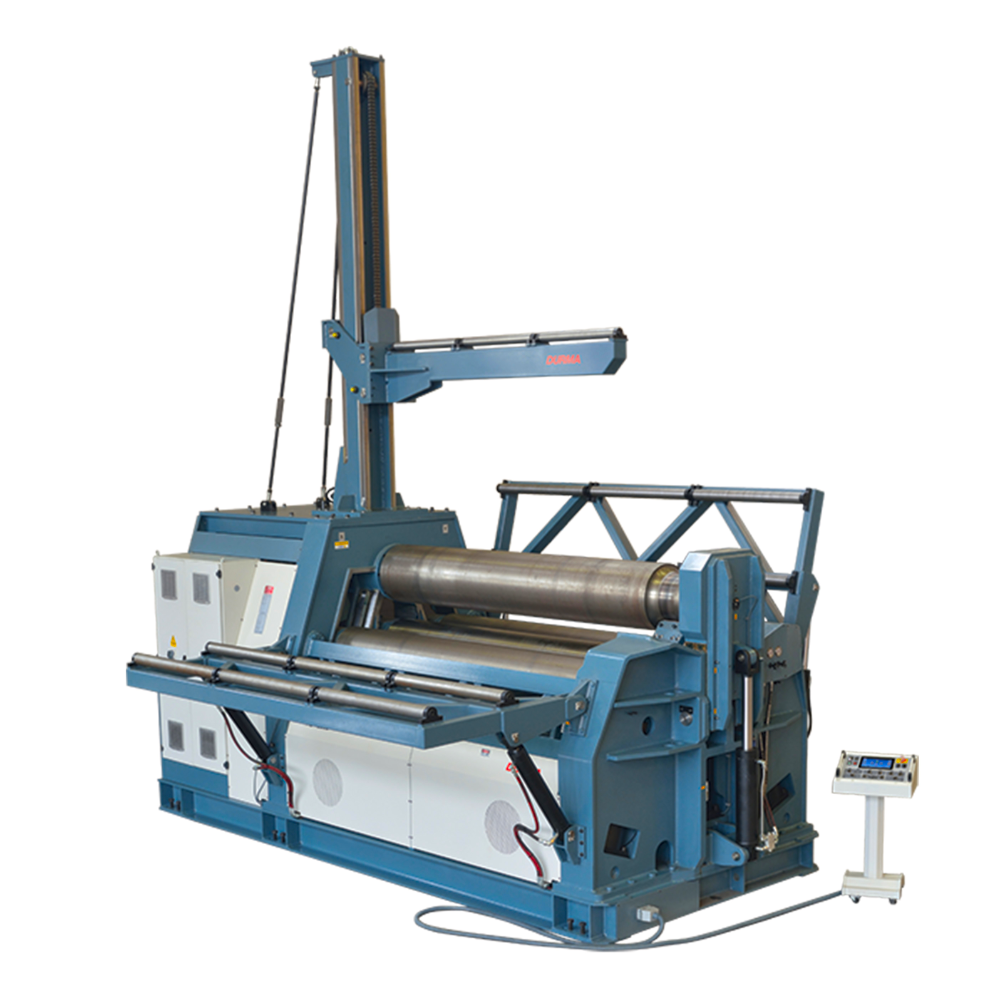
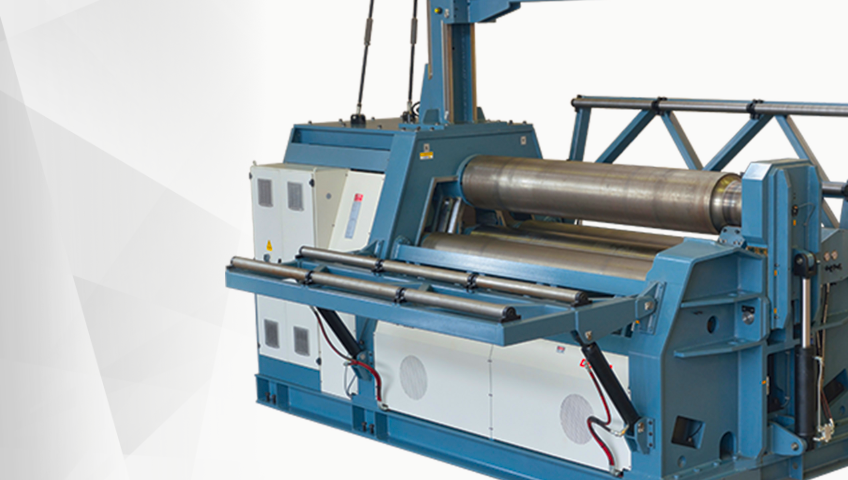
Durma Hydraulic 4-Roll CNC plate roller added to our manufacturing capabilities

We are glad to inform our customers that a Durma Hydraulic 4-Roll CNC plate roller has been added to our manufacturing capabilities for sheet metal products.

Play

The Durma Hydraulic 4-roll plate roller helps us achieve shorter cycle times while making it possible to be less dependent on operator variables. As with all manufacturing stages, with sheet metal rolling we aim for repeatable precision and quality. 4-Roll Plate Rolls are more precise, productive, versatile, faster safer and easier to the operator than 3-Roll machines. Thanks to the high torque drive system, these Durma rollers are ideal for bending plates up to 200mm thickness.

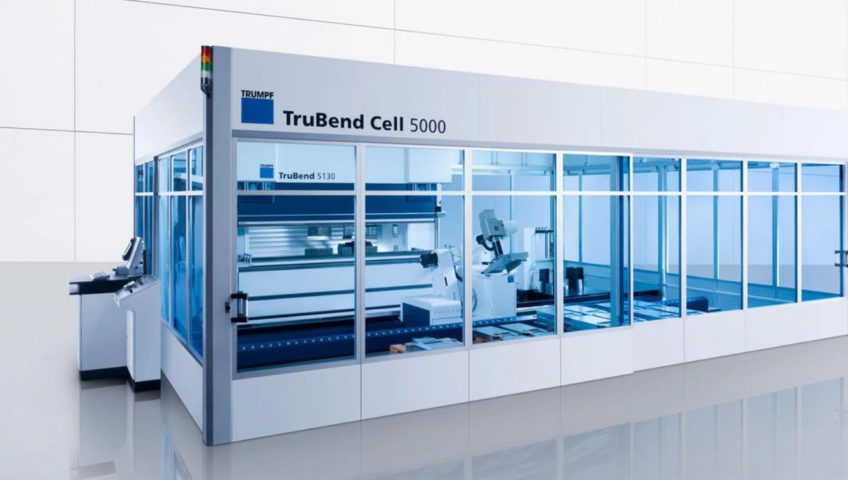
Trumpf TruBend Cell 5000 Robotic Bending

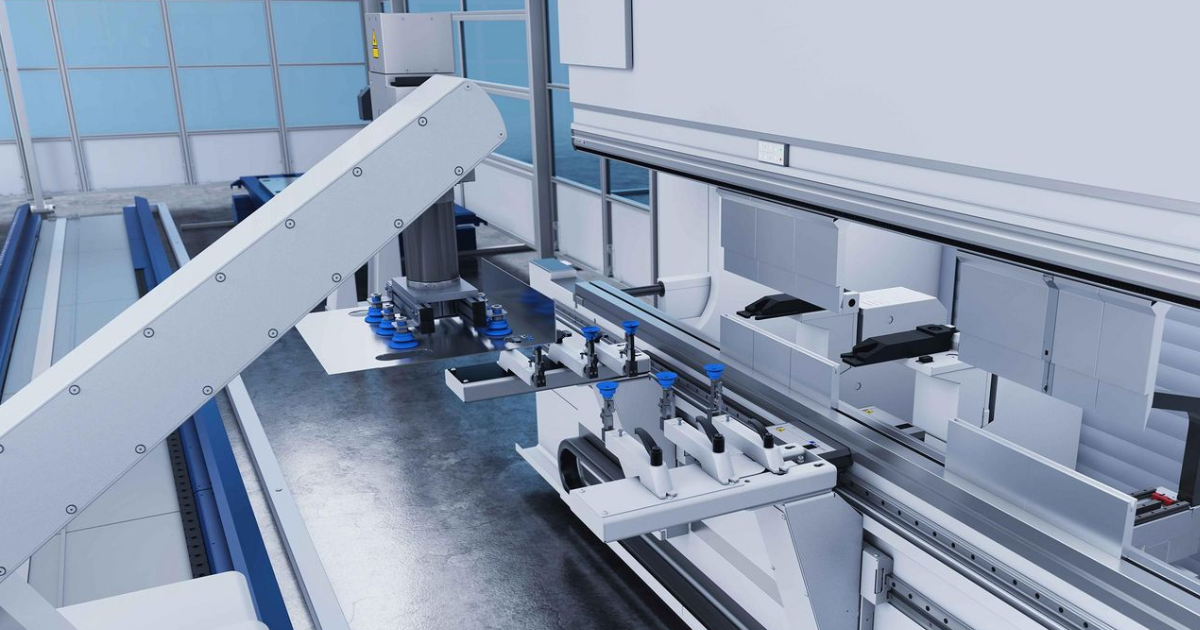
Trumpf TruBend Cell 5000 – Robotic Bending Machine arriving 2021 at Metaltex

New Trumpf precision robotic bending cell due in at Metaltex later this year 2021. We’ve further invested in increasing our hight standards for manufacturing precision and repeatability of targeted quality that excells customer expectations.

Play

Manufacturer description:  The TruBend Cell 5000 is the perfect solution for all those who value productive and flexible #automation, for the widest possible range of parts. The quality remains consistently high. With the newest series of the bending machine #TruBend 5000, the bending cell is state of the art, for example in the areas of programming and angle measurement. Select the #bending machine and #BendMaster according to your individual range of components. You also have maximum freedom in the design of the material flow using conveyor belts and pallet conveyors.