AI in manufacturing concerns for secutiry of data

AI In Your Supply Chain: The Question Most Buyers Aren’t Asking

“We use AI” is a claim, not a credential. It should prompt a question, not a nod.

Count how many suppliers have added AI to their pitch this year. AI-assisted quoting. AI nesting. AI scheduling. AI inspection. Some of it is real and useful. We use several of these tools ourselves. But one question keeps getting skipped, and it’s the one every purchasing manager should ask before placing work:


Where does my data go when your AI touches it?


When you send a supplier a drawing, you’re sending your design intent, your tolerances and your material choices. It is one of the most valuable things you own. In a lot of supplier businesses right now, a file like that is being pasted into a chat window by someone with good intentions and no policy behind them.

The Risk Isn’t AI. It’s Unmanaged AI.

Unmanaged use looks like this: drawings uploaded to public tools whose terms permit the provider to retain or train on them. Quoting data run through platforms nobody assessed. No access control, so anyone can use any tool with any customer’s data. No record, so six months later the supplier genuinely can’t tell you where your part file went.

None of that requires bad intent. It just requires nobody having thought about it.

And that exposure doesn’t stay with your supplier. It flows back to you. Your customer contract, your confidentiality obligations, your insurance position. If they leak your data, you’re the one explaining it.

What To Actually Ask

Five questions will tell you most of what you need to know:

  1. Do you use AI tools anywhere in handling my data? Quoting, drafting, programming, inspection, correspondence.
  2. Which tools, and are they enterprise instances or public versions? Enterprise agreements typically prohibit training on your data. Free consumer tools frequently don’t.
  3. Who’s permitted to use them, and how is that controlled? “Everyone, informally” is an answer.
  4. What’s your policy on uploading customer drawings? If it isn’t written down, it doesn’t exist.
  5. What independent cyber security certification do you hold? It covers their security controls, not their AI use, so ask both.

 

cybercert


What Counts As Proof

Smaller suppliers will often tell you ISO 27001 is out of reach, and that’s fair. It’s built for enterprise. But it’s no longer the only option. Standards like SMB1001 are scaled for businesses of 5 to 200 staff and map against the Australian Essential Eight, UK Cyber Essentials and the US CMMC framework. We hold CyberCert Gold under SMB1001, alongside ISO 9001:2015. The standard your supplier holds matters less than the fact that somebody independent has assessed them. One caveat, and it cuts against our own argument: certification is not AI governance. It examines security controls, not how a business uses AI, and any supplier claiming otherwise is overselling, ourselves included. What certification does tell you is that someone with no stake in the answer has been through the fundamentals. That beats never having been looked at.

The Short Version

Don’t be impressed by AI on a capability statement. Be impressed by a supplier who can tell you exactly which tools they use, who’s allowed to use them, what data is permitted anywhere near them, and who has had an independent third party check the fundamentals.
Ask the question at the quoting stage, not after the incident.


DNE Laser Metaltex 4

Metaltex Adds Second 12kW Laser with Automated DNE Cell

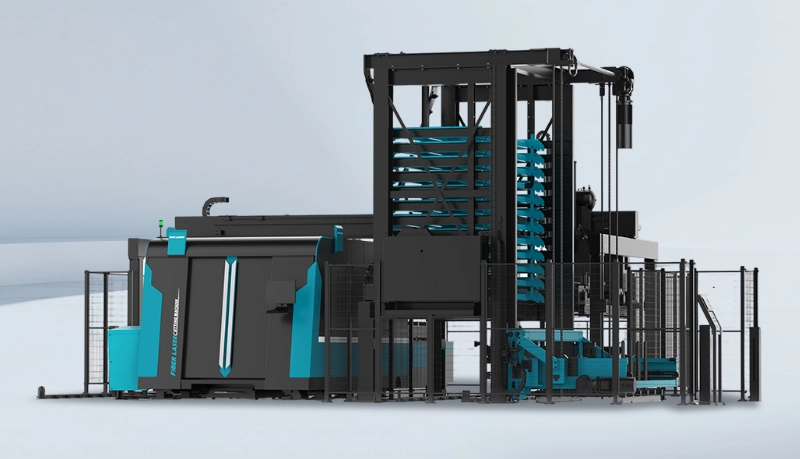
Metaltex Australia will commission our second 12kW fibre laser at our Dandenong South facility in December 2026, this time as a fully automated cutting cell.

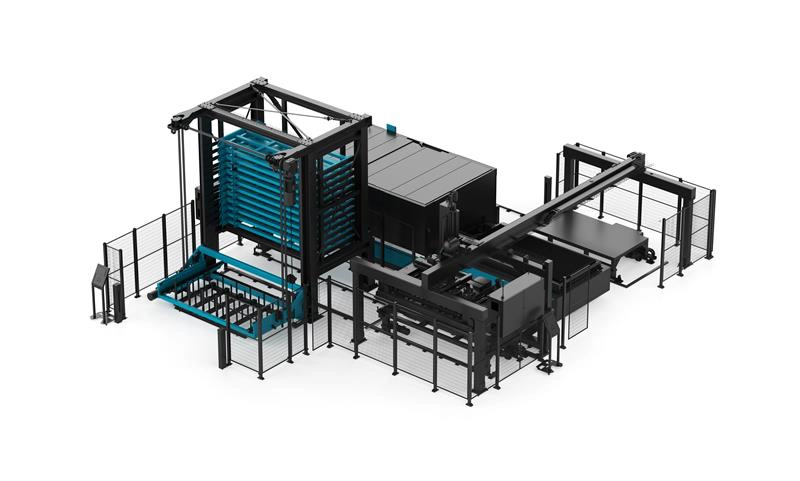
The cell pairs a 12kW DNE D-Soar fibre laser with DNE’s D-Trans automatic loading and unloading system and a D-Tower material storage tower. Together they double our 12kW laser cutting capacity and directly support our 24/5 operating model.

The D-Tower holds 16 cassettes of sheet. The D-Trans loads raw sheet onto the laser and unloads finished parts automatically using a scratch-free system that protects surface finish, handling mild steel and stainless steel up to 3000 x 1500 mm and from 1 mm to 25 mm thick. With material staged and ready, the laser keeps cutting across every shift with minimal handling.

The cell also ties directly into our integrated MRP and MES. Jobs planned in our MRP flow through to the cell, sheet stock in the D-Tower is tracked against real demand, and live cutting data feeds straight back to planning. It closes the loop between planning and the shop floor, giving us real-time visibility of every job and lead times built on actual capacity.

DNE Laser Metaltex 2

For our customers, that means more laser hours, faster throughput and shorter, more reliable lead times. It also keeps downstream CNC folding, robotic welding and assembly consistently fed, with the full process under one roof and controlled by our ISO 9001:2015 quality system.


“This cell is about capacity and consistency. Our team runs around the clock five days a week, and automated loading lets the laser keep pace with them. It’s another step in our Industry 4.0 journey, and our people are the ones driving it.”

Daniel Pieterson, Managing Director


Since 1979, Metaltex has built its reputation on precision, reliability and investing ahead of customer demand. The new laser cell continues that commitment across the 16+ industries we serve.

For more information on our laser cutting capability, contact the Metaltex team.

New Lorch Smart Welding Technology at Metaltex

Metaltex_Lorch_MicorTwin_Promo 1
 

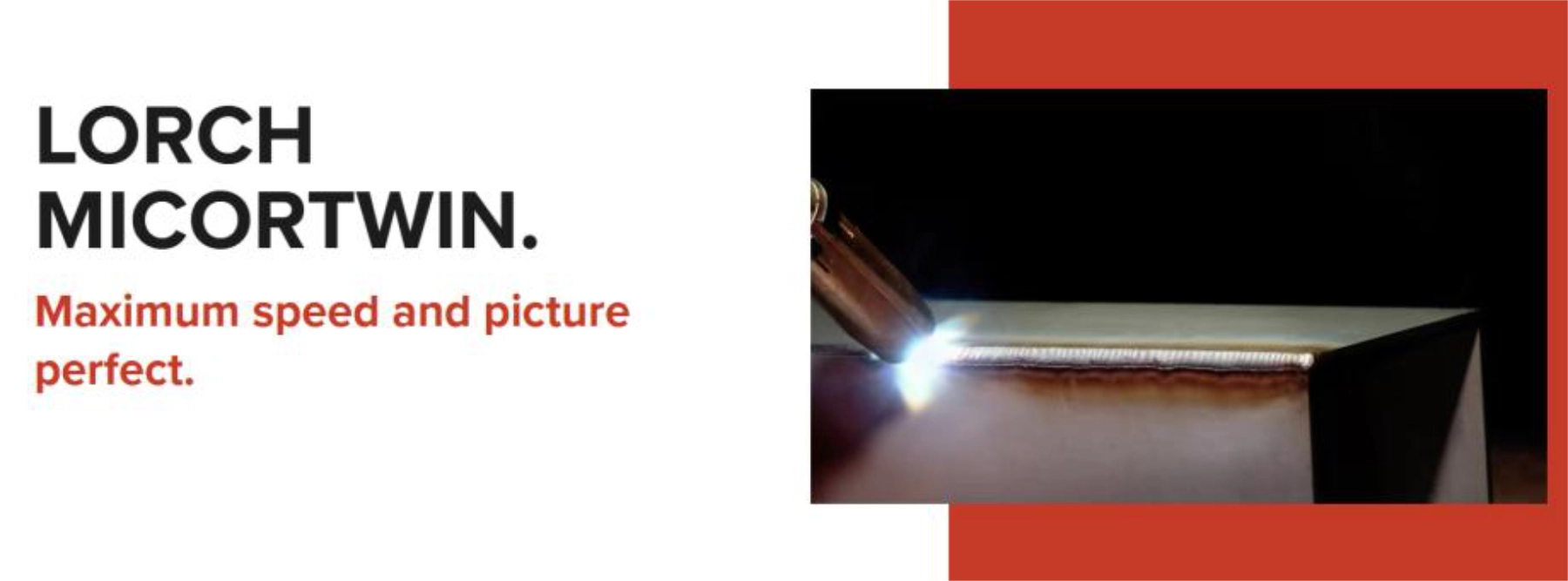
The TIG weld seam now has a MIG-MAG twin

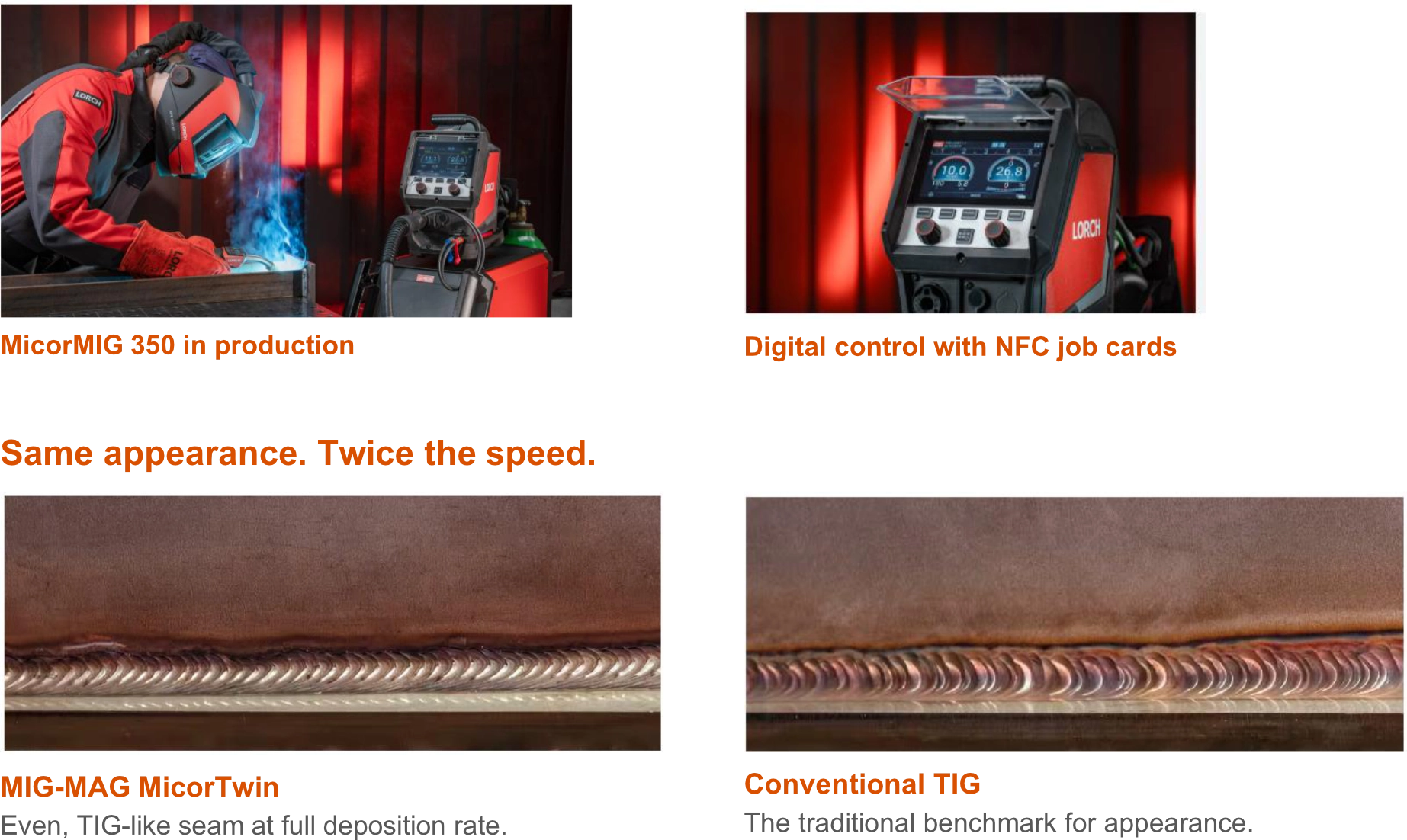
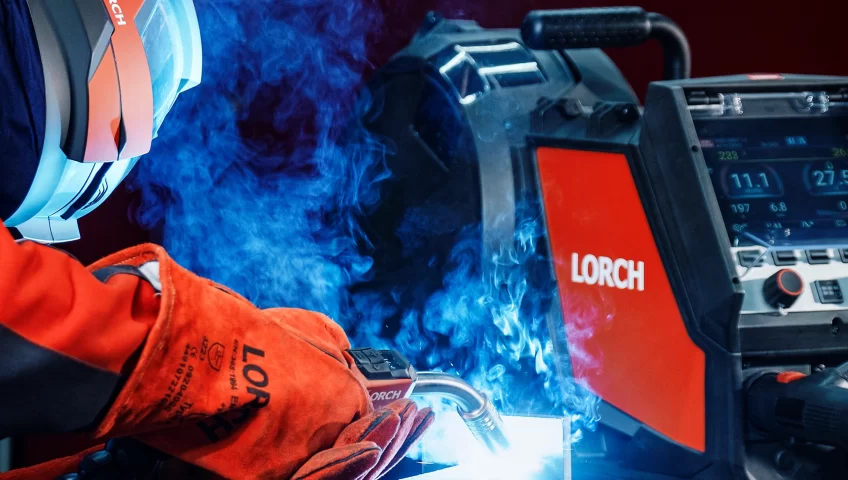
On thin and medium sheet (1–8 mm), weld appearance is often part of the finished product. Traditionally that meant TIG welding slow, and dependent on a small number of highly skilled hands. Metaltex has invested in a number of Lorch MicorMIG 350 power sources running the MicorTwin process. The U-I controlled pulse arc produces the even, uniformly stacked seam customers associate with TIG at up to twice the welding speed.
 
Metaltex_Lorch_MicorTwin_Promo 2
 

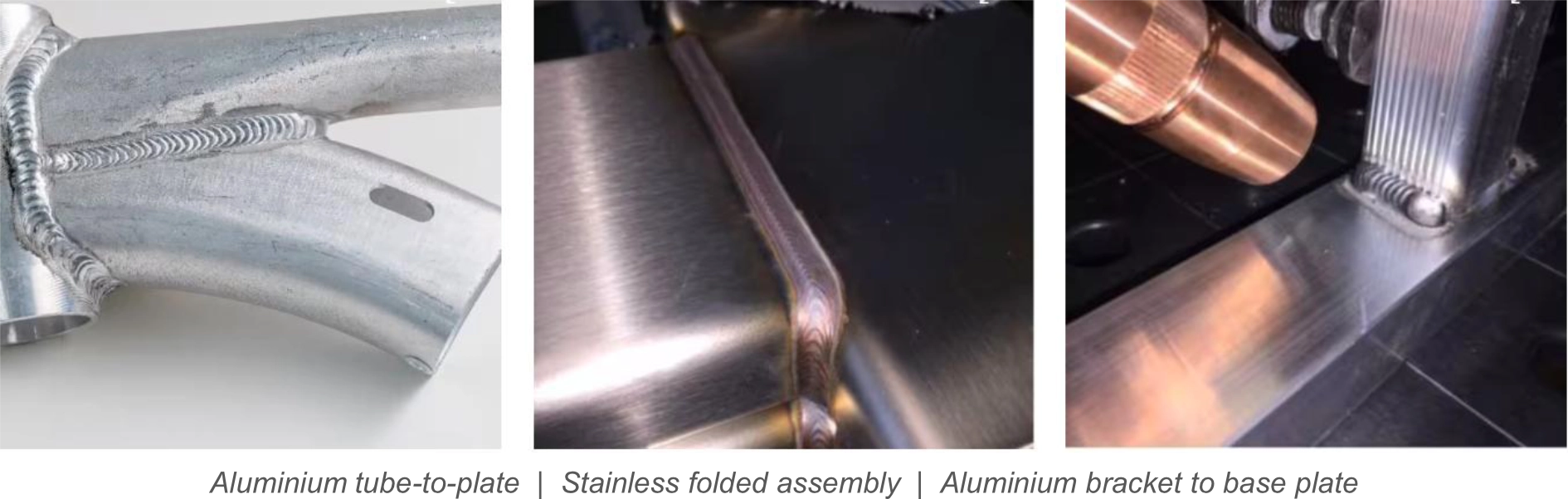
Proven across aluminium, stainless and steel

MicorTwin suits aluminium and CrNi (stainless) work in thin to medium wall thicknesses, and medium-walled steel frames, enclosures, tanks, furniture and architectural fabrications where the seam is visible in service.
 
Metaltex_Lorch_MicorTwin_Promo 3
 

What this means for our customers

  • Consistent appearance. Even, uniform seams on 1–8 mm aluminium, stainless and steel — the finish that matters on visible welds.
  • Faster throughput. Higher deposition speed without trading away appearance, which flows through to shorter lead times.
  • Repeatability. The same result across operators, rather than depending on one specialist hand.
  • Certified procedures. EN 1090-compliant welding supported by independently certified WPS documentation, aligned with the welding quality requirements of ISO 3834.
  • Process control. NFC job cards lock in parameter sets and operator authorisation, so the same job welds the same way every time.
  • Capacity released. Our TIG-qualified welders are freed for the genuinely complex work that only TIG can do.
  • Power in reserve. Patented MicorBoost technology delivers voltage reserve for heavier steel work, in mixed gas or CO₂.
Metaltex News Haeger 824 - 5

Metaltex Expands Fastener Insertion Capacity with the New Haeger 824 MSP 5e

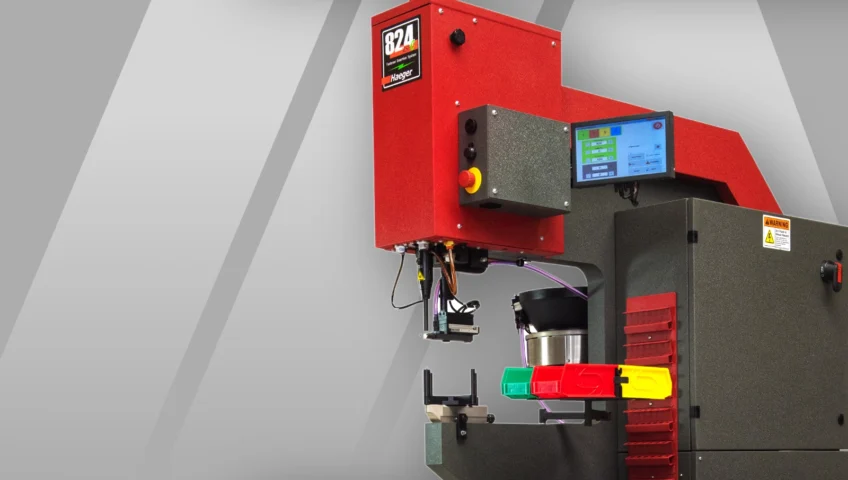
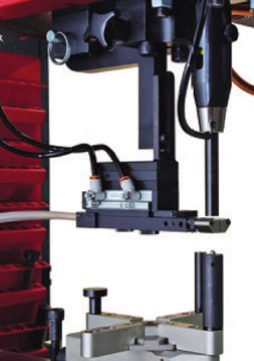
Metaltex has commissioned a new Haeger 824 MSP 5e fastener insertion press at our Dandenong South facility. The new machineruns alongside our existing PEMSERTER Series 4, giving us two dedicated insertion platforms and significantly more capacity for selfclinching nuts, studs and standoffs. Both machines come from the PEM family, so our operators bring proven know-how straight to the new press.

With up to 72 kN of adjustable ram force, a 610 mm throat depth and a fastener range from M2 to M12, the 824 handles everything from small electronics enclosures to large chassis panels, at up to 1,400 insertions per hour.

Key specifications

 Ram force  3.6 to 72 kN, adjustable
 Throat depth  610 mm
 Fastener range  M2 to M12
 Output  Up to 1,400 insertions per hour
 Repeatability  ±2%
 Program storage  Up to 10,000 programs

Faster changeovers, consistent results

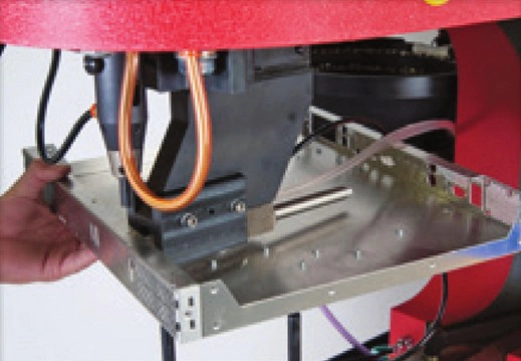
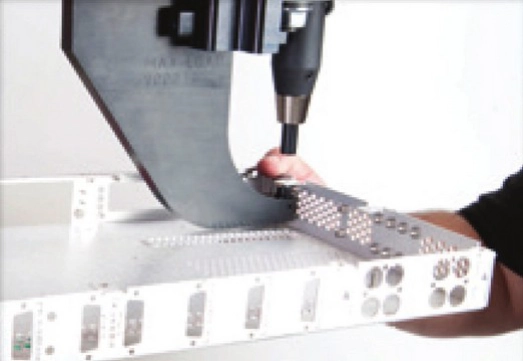
The Multi-Shuttle tooling platform allows a complete changeover between nuts, studs and standoffs in around two minutes, without realignment. The built-in Tooling Protection System guards both the tooling and the customer’s part, and stored programs mean repeat jobs are set up quickly and run the same way
every time.


Multi-Shuttle tooling
platform
Metaltex News Haeger 824 - 2
Bottom feed J-frame for hard-to-reach flanges


Metaltex News Haeger 824 - 3
Manual J-frame for small boxes and short reverse
flanges

What it means for our customers

This investment is part of our ongoing commitment to continuous improvement. For our customers it means shorter lead times on fastener-intensive parts, consistent insertion quality backed by our ISO 9001:2015 quality system, and greater redundancy so production keeps moving when demand peaks. The 824 slots straight into our integrated workflow, from laser cutting and CNC folding through to robotic welding and assembly, all managed through our MRP and MES systems and running 24 hours a day, five days a week. To discuss how Metaltex can support your next project, get in touch with our team.

DNE Laser Cutting at Metaltex Melbourne Australia

Metaltex acquires a new ultra-high power 12kW fiber laser cutting machine

We have increased our laser cutting capacity with the purchase of a New DNE 12KW fiber laser with air cutting. This enables great accuracy and smooth clean cuts that cannot be otherwise achieved with oxygen laser or plasma cutting.


The D-Soar Ultra-High Power Fiber Laser Cutting Machine delivers exceptional performance in metal plate processing, achieving high cutting accuracy and speed coupled with user-friendly operation. Furthermore, it can precisely process a wide range of metal plates of various thicknesses at a competitive cost.


Specification:

Laser Source Fiber Laser Source
Laser Power 12000W
X/Y axis linkage maximum acceleration 1.2G
X/Y axis linkage maximum positioning speed 120 m/min
X/Y-axis positioning accuracy ± 0.05mm
X/Y-axis repeated positioning accuracy ±0.03mm

Metaltex sponsors Southside Flyers (WNBL)

Metaltex is now a proud major sponsor of the Southside Flyers (WNBL) National Women’s Basketball League.

The club is based in Dandenong, Melbourne, Victoria. The team was founded as the Dandenong Rangers, however before the 2019–20 WNBL season began the team was rebranded to the Southside Flyers. Historically one of the better teams in the league, the Southside Flyers have appeared in the Grand Final five times.

The Southside Flyers is a fresh start for the team with fresh faces, fresh plans and a completely new look for basketball and women’s sport. The Australian women’s basketball team is ranked number three in the world and we want to build a culture and profile for this team and the sport that reflects this world standing.

The inaugural Head Coach of the Southside Flyers is Cheryl Chambers, one of the most successful and respected coaches in Australian basketball. Cheryl is a 3-time WNBL Coach of the Year and an Assistant Coach of Australia’s National Team, the Australian Opals.


Read more about The Southside Flyers in WNBL’s 2019/20 season.

Southside Flyers set to join WNBL

Author: Basketball Victoria | September 21st, 2019

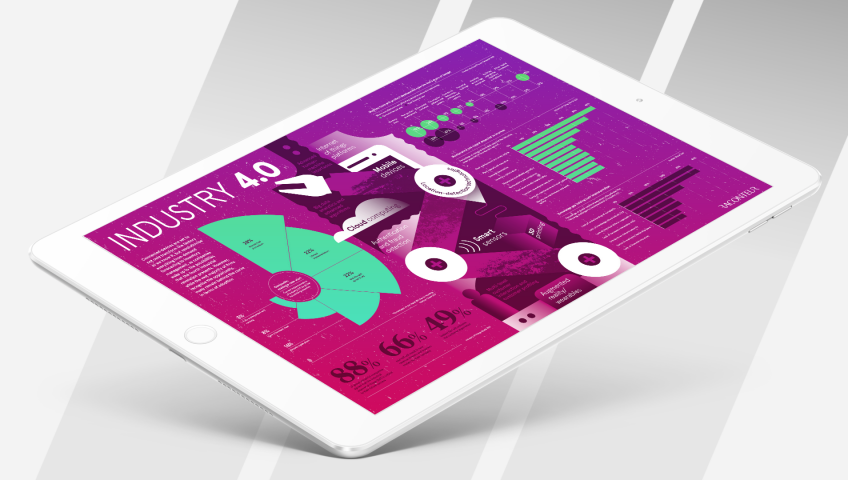
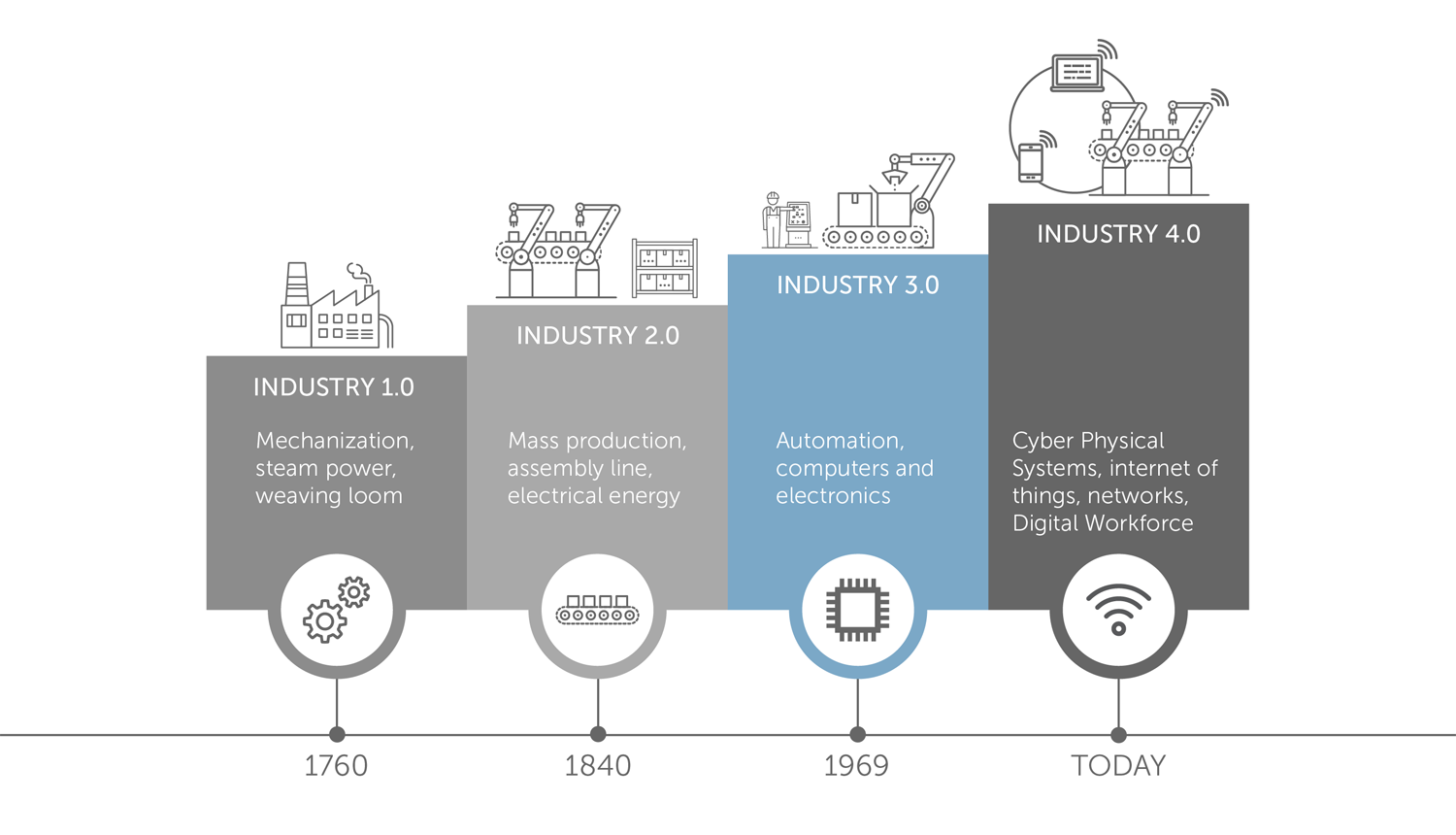
Metaltex adopts Industry 4.0

Metaltex Australia Pty Ltd has worked meticulously in the past 5 years to achieve technological advancement stage jump from industry 3.0 to latest gen 4.0. We relay you this excellent article on what Industry 4.0 is and how it will shape the future of manufacturing.

The Industrial Revolution 4.0 and Its Possibilities Revealed


The adoption of digital technology has reached a point where we are ready for another radical change, the digital transformation of the industry or what we call Industry 4.0.

Industry 4.0, also known as the intelligent industry, is considered to be the fourth industrial revolution, a term coined by Professor Schwab and seeks to transform a company into an intelligent organization to achieve the best business results.

To some, it will seem too soon to talk about the next industrial revolution, i.e., the fourth industrial revolution, but the adoption of digital technology has reached a point where we are ready for another radical change, the digital transformation of the industry or what we call industry 4.0.

The change is based on the adoption of new technologies for the progressive automation of the production process. It is about innovative technologies whose application to the industry will be developed day by day.

We speak of additive manufacturing, collaborative robotics, production planning tools, artificial vision, virtual reality, gamification, process simulation, operational intelligence, IoT, and the so-called KET (Key Enabling Technologies).

All this implies the need to have systems that operate and manage broadband information and infrastructures for information technologies as well as buildings and traffic systems. This concept of industry 4.0 represents a significant leap for most organizations.

Smart Factories


In Industry 4.0, automation and intercommunication are the basis for the optimization of design and production processes, which allows manufacturing of highly customized, flexible and efficient products. It affects the entire lifecycle of a product, ensuring its vertical and horizontal integration.

Starting with research, design, prototyping, production, distribution and client management as well as linked services, it interconnects all the agents involved that can react in a more agile way in the process. This leads to an increase in productivity and competitiveness as well as a significant reduction in costs.

In a Smart Factory, production control is absolute. The digital integration of information provides real-time access to the data, which will be chosen for each line, interest or user profile so that they are relevant to the business.

Both operators who have screens with information that promote efficiency in their position, as well as the data obtained in real time by executives of the company or department managers, provide the greater diagnostic capacity of the global situation of a factory and integration of effective decisions in the productive system.

The generation of a regular flow of information brings an effective value to the entire system, resulting in the more efficient management of resources, improvement of all processes and an interesting increase in profitability.

The Fourth Industrial Revolution: the fusion of process digitalization

What do we know about Industry 4.0 or the fourth industrial revolution and why and what do we have to prepare for?

The fourth industrial revolution is a new era that gives a quantitative and qualitative leap in the organization and management of value chains. This new stage of the industry is committed to greater automation, connectivity and globalization.

Today, we see that the interrelation between different areas such as Products, Processes and Business Models has penetrated the industrial world, bringing with it the IoT and the world of Big Data and Analytics.

These are the technological advances that allow us to optimize manufacturing processes, their supervision and integration with other processes and systems used in a plant.

We live in an industrial revolution that consists of the fusion of the physical and digital planes, favoring the presentation of information in a comprehensible format for all users, promoting enhanced collaboration and data sharing, based on the automation of maintenance processes and artificial intelligence.

When we talk about an industrial revolution, we talk about technologies and tools such as, for example, virtual reality and augmented reality, IoT (Internet of Things), artificial intelligence and artificial vision, virtual assistants, Big Data, cloud computing, modern design programs and process simulation, 3D printing, security, Nano and biotechnology or quantum computing, among others.

Industry 4.0 is characterized by the quickest way to provide visible results and the degree to which it affects users. It is about the internet as a basis for interconnection and the implications this has in terms of the ease of access to information, digital identity, privacy, security, etc. are massive.

It is expected that Industry 4.0 will impact in some way the society, economy, and politics. It provides us with almost instantaneous information, which makes us more informed and more demanding.

Decisions are also expected to be made more quickly and efficiently when the fourth industrial revolution comes into the picture.

Our environment is already quite intelligent and poses many opportunities and challenges. An example is the creation of new smart products that present added values ​​with respect to competition and have a positive impact on a person’s personal well-being.

The issue of cybersecurity is another example, and it will be one of the key issues for the interconnected industrial world. Of course, the industrial revolution also modifies the profile of human resources that will be needed in the new factories: skills and knowledge different from what is currently being asked for will be required, and it is expected that the work dynamics will be modified along with the schedules.

The question is not to be left behind and prepare for the fourth industrial revolution. The governments of many countries have already launched programs that aim to inform about different initiatives and support all types of training in terms of adapting companies to this new reality that requires more leadership and organizational changes to carry out business transformation.

Finally, manufacturers have been operating in a knowledge gap for too long, but now, the large volume of real-time data coming from the IoT, combined with operational intelligence technologies allows knowledge to be acquired and decisions to be made instantly.

Machine learning will be derived in predictive and self-adjusting processes. Using these tools will make the industry avoid mistakes or anticipate them, making it cheaper and shortening the productive process.

Final words


However, the big challenge for companies is not the technology itself. The biggest difficulty is knowing how to manage the effects of the industrial revolution 4.0 properly, and how to make the most of the new opportunities that this concept offers us.

Source Article

Author: Kashyap Vyas | Interesting Engineering | April 29th, 2019

Metaltex Finalist at 2019 Victorian Manufacturing Hall of Fame

Innovative and visionary businesses working to keep Victoria’s manufacturing industry strong will be recognised at the manufacturing industry’s night of nights, the 2019 Victorian Manufacturing Hall of Fame Awards.


The Event


The theme for the 2019 Manufacturing Hall of Fame is Industrial Evolution – highlighting the resilience of Victorian manufacturing and the people who drive the industry, supporting hundreds of thousands of jobs. Minister for Jobs, Innovation and Trade Martin Pakula highlights the importance of recognising the outstanding achievements of the state’s manufacturing industry.


“Our manufacturing industry is innovative and internationally competitive, with strong growth in exports, business confidence and capital investment over the past year.”


Victoria’s manufacturing industry contributes more than $30 billion to the state’s economy annually and employs nearly 280,000 people – more than any other state.


“We know that recognising the outstanding achievements of the state’s manufacturing industry is important, and the Victorian Manufacturing Hall of Fame Awards are a vital part of this.”


The Hall of Fame has been running since 2001 and recognises Victorian manufacturers who have made an ongoing impact on the industry through innovation, investment and trade and supply chain connections.

Victorian Manufacturing Hall of Fame 2019 Australia Metaltex

The Finalists


Following a highly-competitive nominations and judging process, the finalists for the 2019 Victorian Manufacturing Hall of Fame Awards are:

  • Air Radiators
  • Amiga Engineering
  • Australasian Fresh/Alligator Brand
  • A W Bell
  • Barker Trailers
  • Bombardier Transportation Australia
  • Camatic Seating
  • Columbia Australia
  • Dulux Australia
  • Dynamic Steel Frame
  • Holden Special Vehicles/Premoso
  • Integra Systems
  • Leica Biosystems
  • Marand Precision Engineering
  • Metaltex Australia
  • Robert Bosch Australia
  • RUAG Australia
  • Safetech
  • Special Patterns/SP Robotics
  • Viscount Rotational Mouldings
  • Vossloh Cogifer Australia


Metaltex’s recognition in the industry


LEADERS IN
WORKFORCE SKILLS
DEVELOPMENT


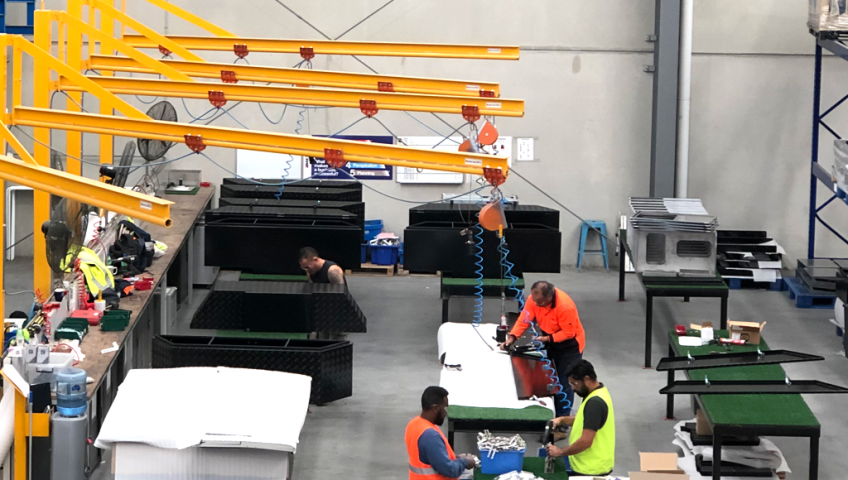
Celebrating 40 years of operation in 2019, Metaltex Australia provides engineering, fabrication and CNC precision manufacturing of aluminium, stainless and mild steel products. Metaltex Australia is leading Original Equipment Manufacturer (OEM) company with national and international clients across a range of industries including: automotive, aerospace, defence, infrastructure, mining, energy, rolling stock, food processing, point of sale material, water transfer and storage, agriculture, electronics and general manufacturing.


Play


Metaltex Australia has expanded rapidly over recent years, embracing the principles of Industry 4.0 manufacturing, focusing on its people, and investing in state-of-the-art equoment and technologies. In 2017, Metaltex Australia moved into its new purposebuilt manufacturing facility in Dandenong South. This has enabled the company to expand its contract manufacturing capability, improve its quality, precision and put it in a highly competitive position to achieve import replacement for Australian supply chains trading in local and global markets.

Metaltex is committed to ensuring the industry remains competitive in the future and undertakes cross skill training amongst all production staff.


Download Event Brochure

State Government of Victoria © Copyright DJPR 2019
metaltex news

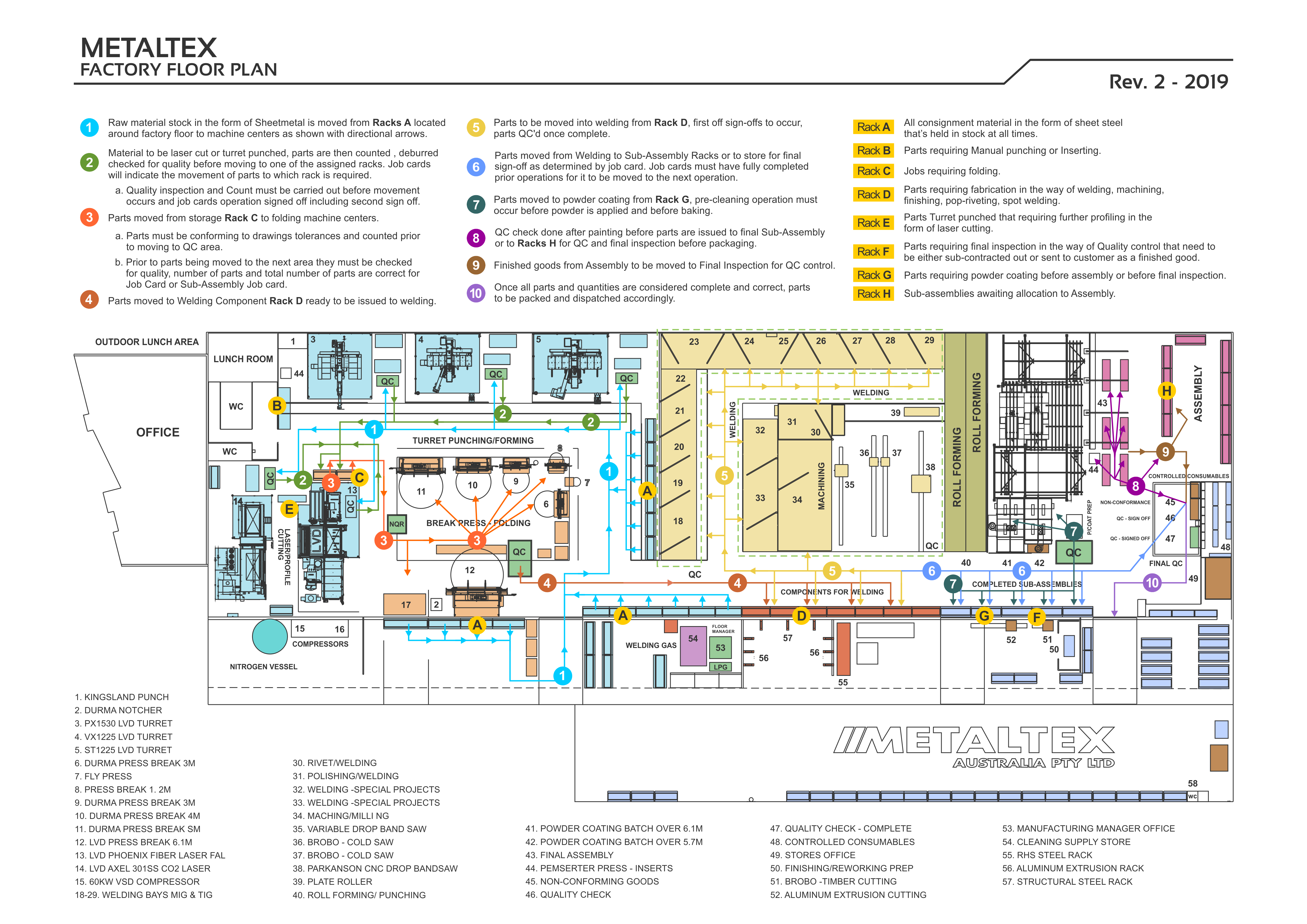
The updated Metaltex manufacturing facility

Our manufacturing capacity have updated and keep evolving to higher precision technology, more skilled work force and efficient work flow. As Industry demands and expectations increase so too will the investment in our capabilities, facilities and services. We will continue to invest time, energy and money in order to broaden and expand our client base.


Floor Plan Rev2-2019

Metaltex has a world class facility providing a range of in-house manufacturing capabilities that are scalable to suit domestic and international applications.

Our capabilities include:

  • CNC FOLDING UP TO 6.1 M ON 5 AXIS’
  • PRECISION TURRET PUNCHING
  • 6 KW CNC AUTOMATED FIBRE LASER CUTTING
  • PRECISION LASER CUTTING
  • WELDING (TIG, MIG, PULSE MIG)
  • MACHINING
  • INSERTING
  • POWDER COATING
  • TUBE AND PIPE BENDING
  • SECTION ROLLING
  • PLATE ROLLING
  • PROJECT MANAGEMENT
  • ASSEMBLY
  • SANDING AND POLISHING
  • DESIGN
  • CAD DRAWING